


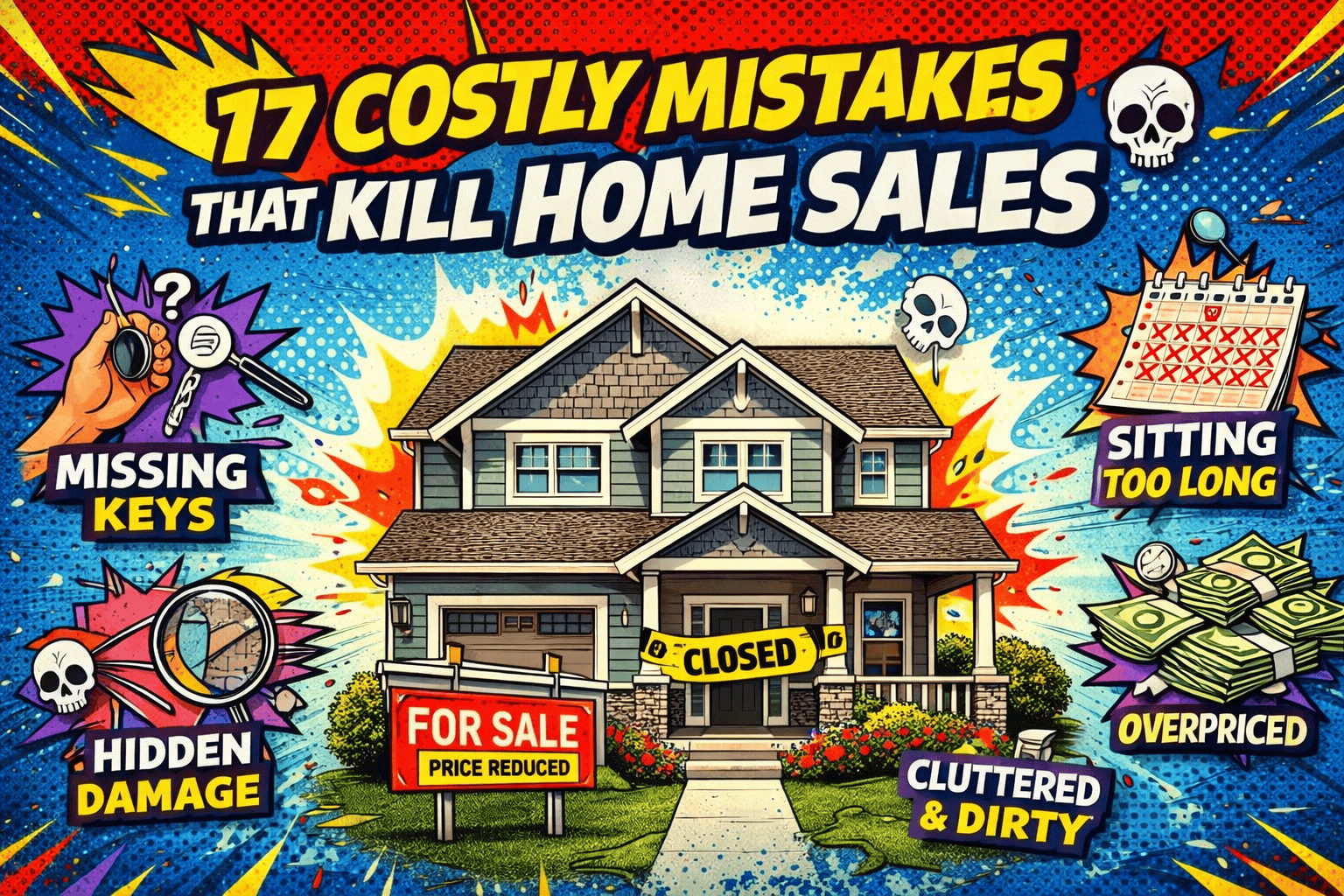
Buying a home is an emotional decision. While buyers may start with a checklist of must-have features, their final choice is often driven by how a home feels. Unfortunately, many sellers unknowingly sabotage their own sale by keeping features that instantly repel buyers.
Understanding which home features turn buyers away is one of the most powerful advantages a homeowner or real estate investor can have. Some of these deal-breakers are outdated, others are costly to maintain, and a few simply clash with modern buyer expectations. The good news? Most can be fixed—or at least minimized—before listing your home.
This guide breaks down the most common home features that push buyers away, why they matter, and what you can do to avoid losing offers, time, and money.
Why First Impressions Matter More Than Ever
Today’s buyers scroll through dozens of listings before stepping foot inside a home. They make snap judgments based on photos, curb appeal, and layout. If something feels “off,” they move on quickly.
Homes that sell fast usually feel:
Clean and neutral
Bright and open
Move-in ready
Easy to imagine living in
Anything that disrupts this experience increases hesitation—and hesitation kills deals.
Which Home Features Turn Buyers Away the Most
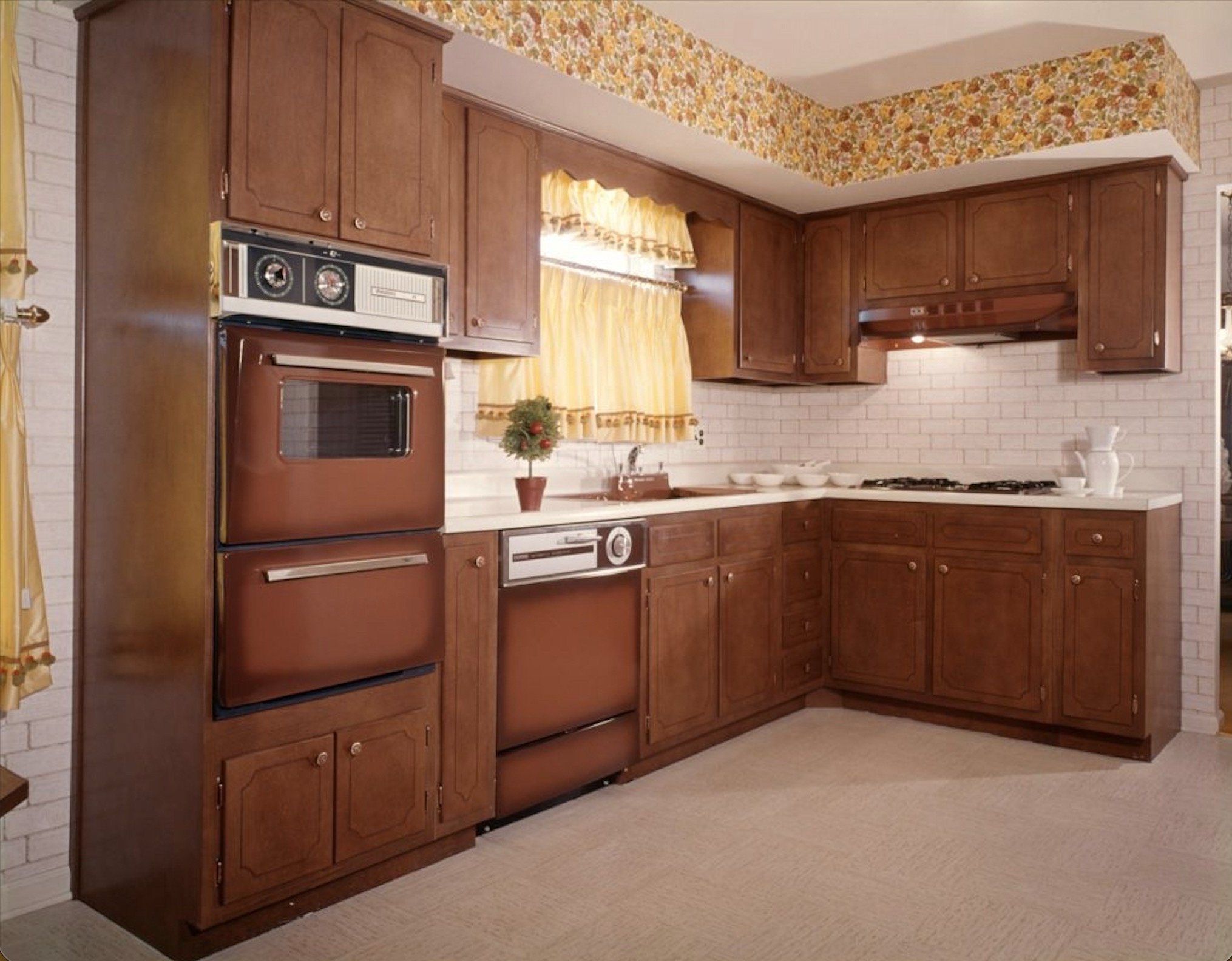
1. Outdated Kitchens
Kitchens sell homes. When buyers see old cabinets, worn countertops, or mismatched appliances, they see expense and effort, not potential.
Buyer reaction:
“If the kitchen needs work, what else does?”
Why it’s a problem:
Kitchens are the most expensive room to renovate
Buyers overestimate renovation costs
Dated kitchens signal poor maintenance
What to do instead:
Paint cabinets instead of replacing them
Upgrade hardware
Replace old appliances with energy-efficient models
2. Old or Worn Flooring
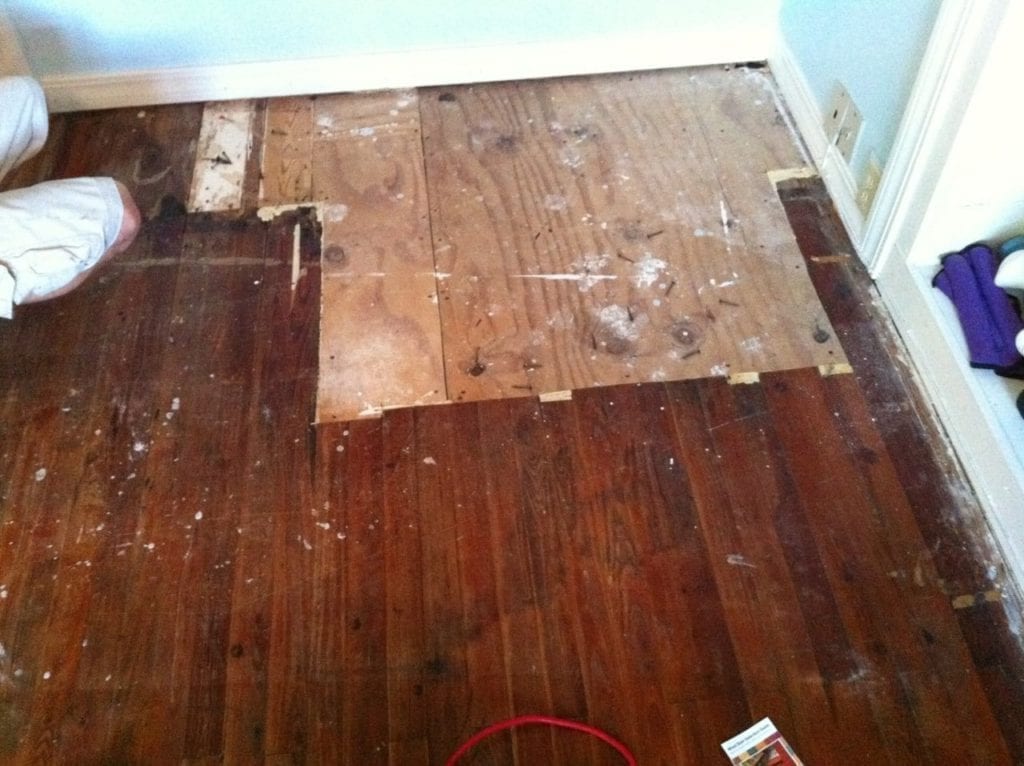
Carpet stains, scratched hardwood, or cheap laminate floors are instant red flags.
Why buyers hate it:
Flooring impacts every room
Replacement costs add up fast
Old carpet feels unhygienic
Fix options:
Deep clean carpets
Refinish hardwood
Use neutral luxury vinyl plank for affordability
3. Poor Curb Appeal
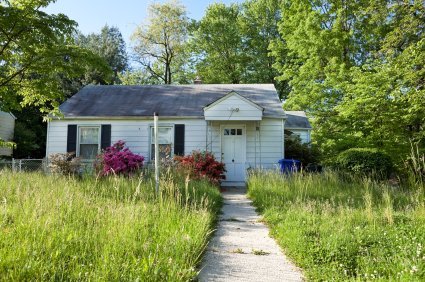
Before buyers open the door, they’ve already formed an opinion.
Turn-offs include:
Peeling paint
Overgrown landscaping
Broken walkways
Cluttered porches
Why it matters:
Curb appeal sets expectations. If the outside looks neglected, buyers assume the inside is worse.
4. Overly Personalized Décor
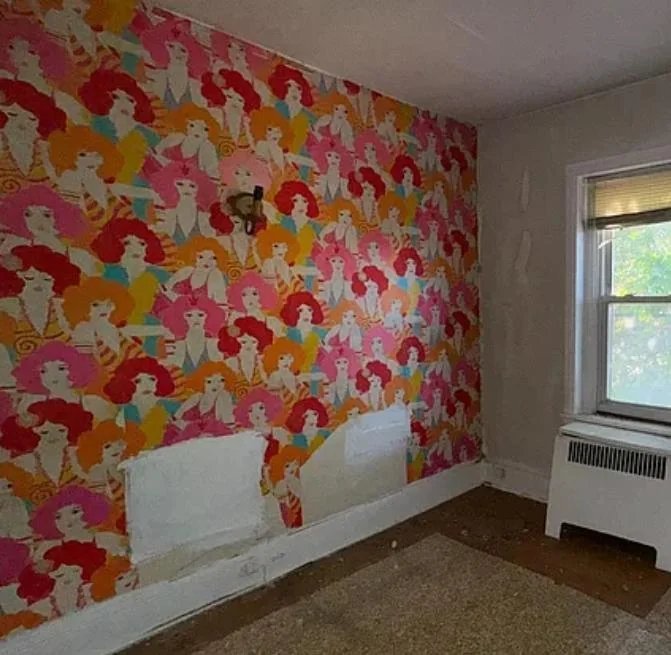
Bold wallpaper, extreme color schemes, and niche design styles can alienate buyers.
Common mistakes:
Neon or dark wall colors
Heavy murals
Unusual tile patterns
Why it hurts sales:
Buyers struggle to imagine their life in someone else’s highly personal space.
Best practice:
Stick to neutral tones that appeal to the widest audience.
5. Low Natural Light
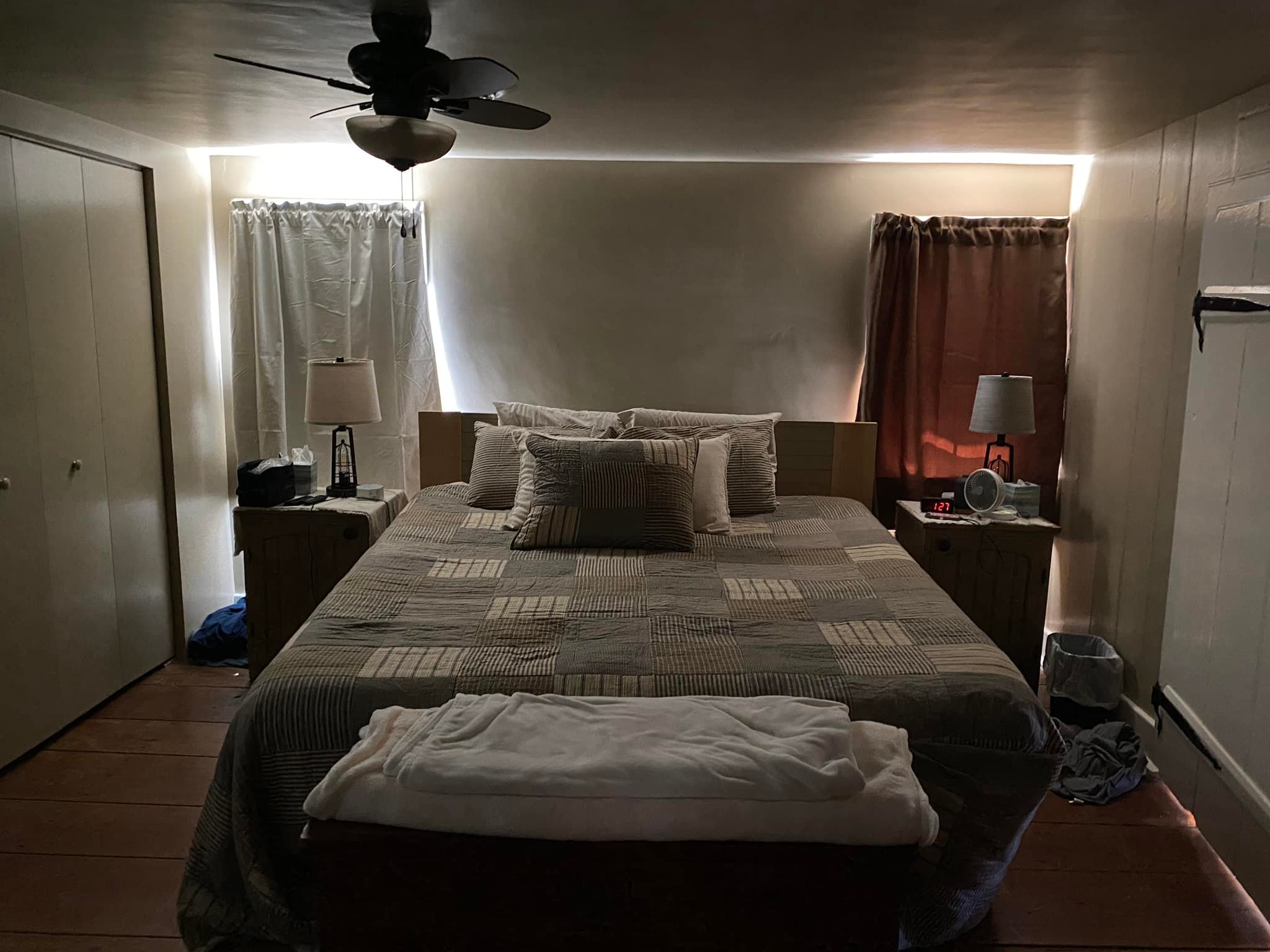
Dark homes feel smaller, older, and less inviting.
Causes:
Heavy curtains
Small or blocked windows
Poor lighting design
Solutions:
Remove heavy window treatments
Add mirrors
Upgrade lighting fixtures
6. Awkward or Closed-Off Floor Plans
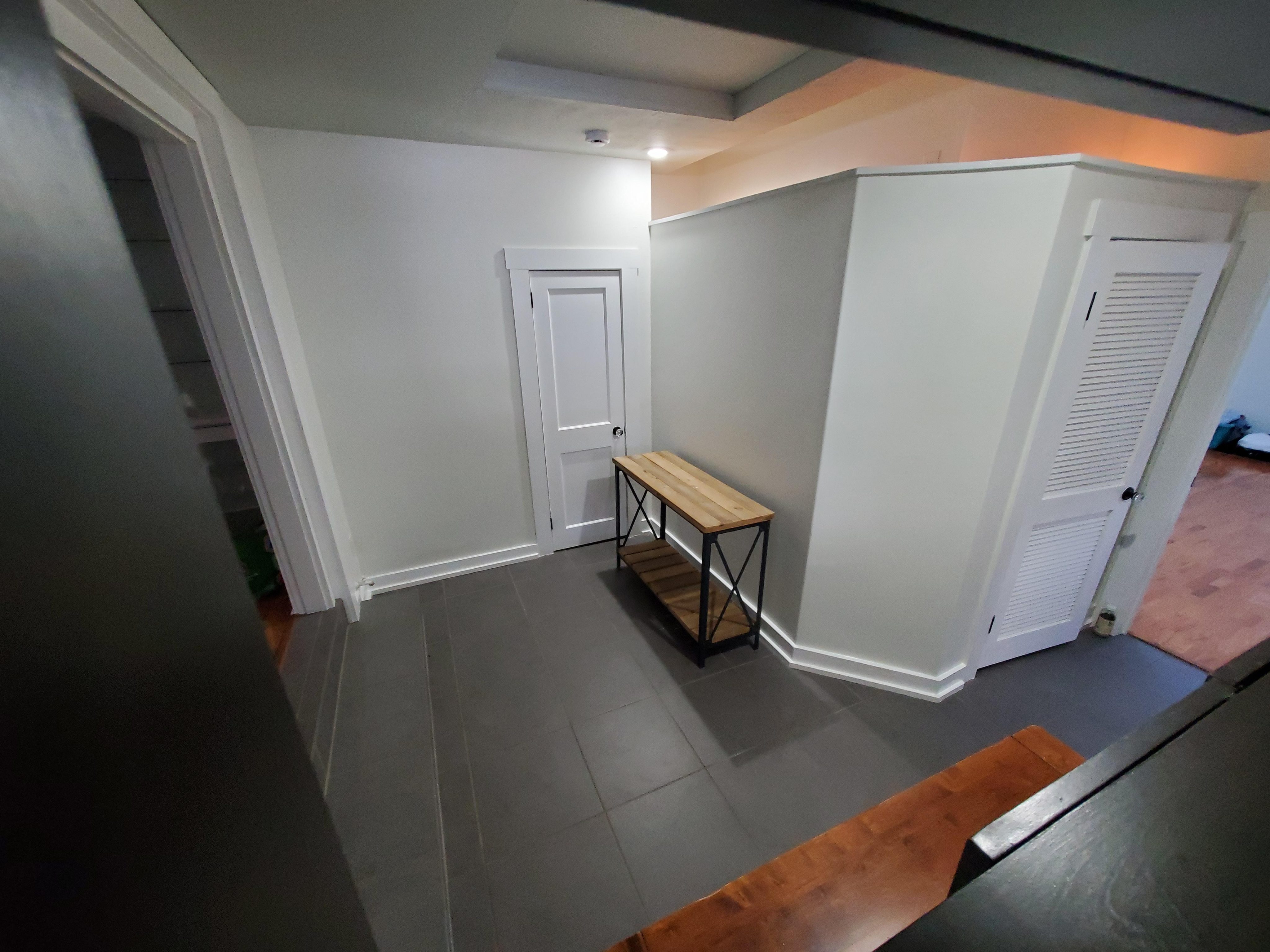
Modern buyers prefer functional flow. Small, chopped-up rooms feel outdated.
Common complaints:
Tiny kitchens
Narrow hallways
Walls blocking light
While full remodels aren’t always feasible, opening sightlines or staging rooms properly can help.
7. Too Much Maintenance

Homes that require constant upkeep scare buyers.
Examples:
Large lawns
Water features
High-maintenance landscaping
Buyers today value convenience just as much as aesthetics.
8. Strong Odors (Pets, Smoke, Mold)

Smell triggers emotional responses faster than visuals.
Deal-breaking odors:
Pet urine
Cigarette smoke
Damp or musty smells
Even if the home is beautiful, bad smells often end showings early.
9. Old Bathrooms
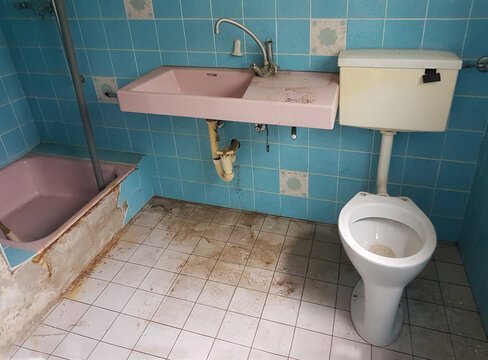
Bathrooms are the second most scrutinized room after kitchens.
Turn-offs include:
Old tiles
Poor lighting
Worn fixtures
Simple updates like new mirrors, lighting, and fixtures can make a huge difference.
10. Poor Storage Space

Buyers always ask: Where will I put my stuff?
Problems include:
Small closets
No pantry
Limited garage space
Smart storage solutions help buyers visualize organization and comfort.
11. Loud or Busy Neighborhood Noise
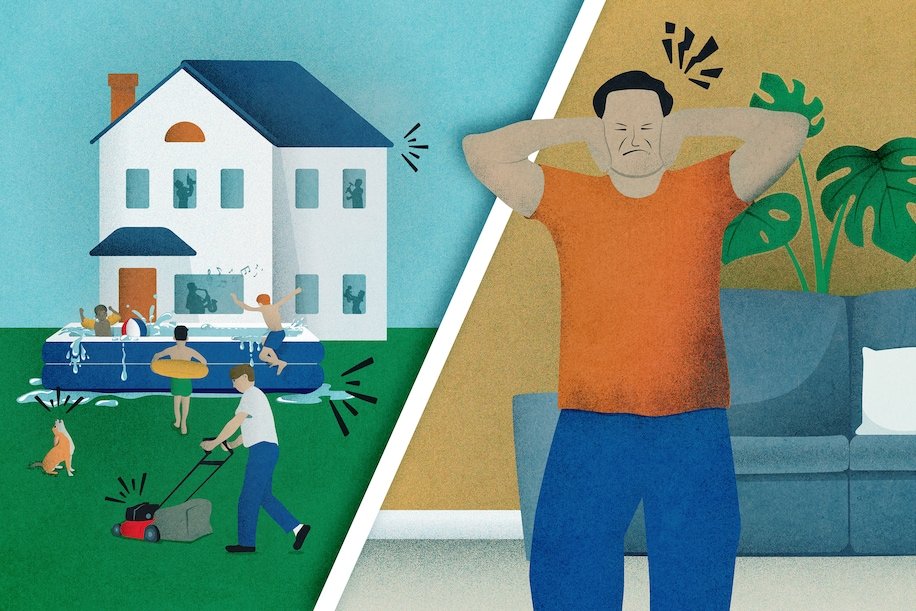
While not a “feature” inside the home, noise levels heavily influence buyer decisions.
Noise sources:
Busy roads
Airports
Commercial areas
Soundproofing upgrades and honest pricing adjustments help manage expectations.
12. Popcorn Ceilings
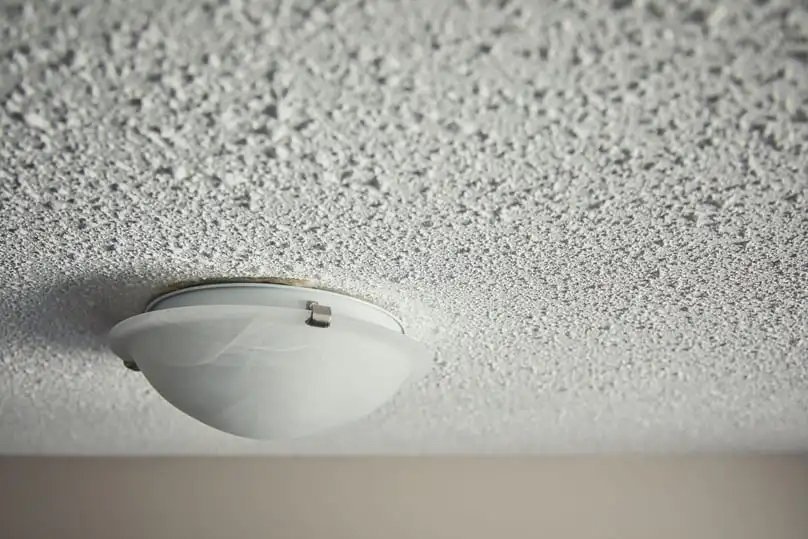
Popcorn ceilings date a home instantly and raise concerns about asbestos.
Why buyers dislike them:
Hard to clean
Visually outdated
Potential health concerns
Removing or covering them modernizes a home quickly.
13. Poor Energy Efficiency
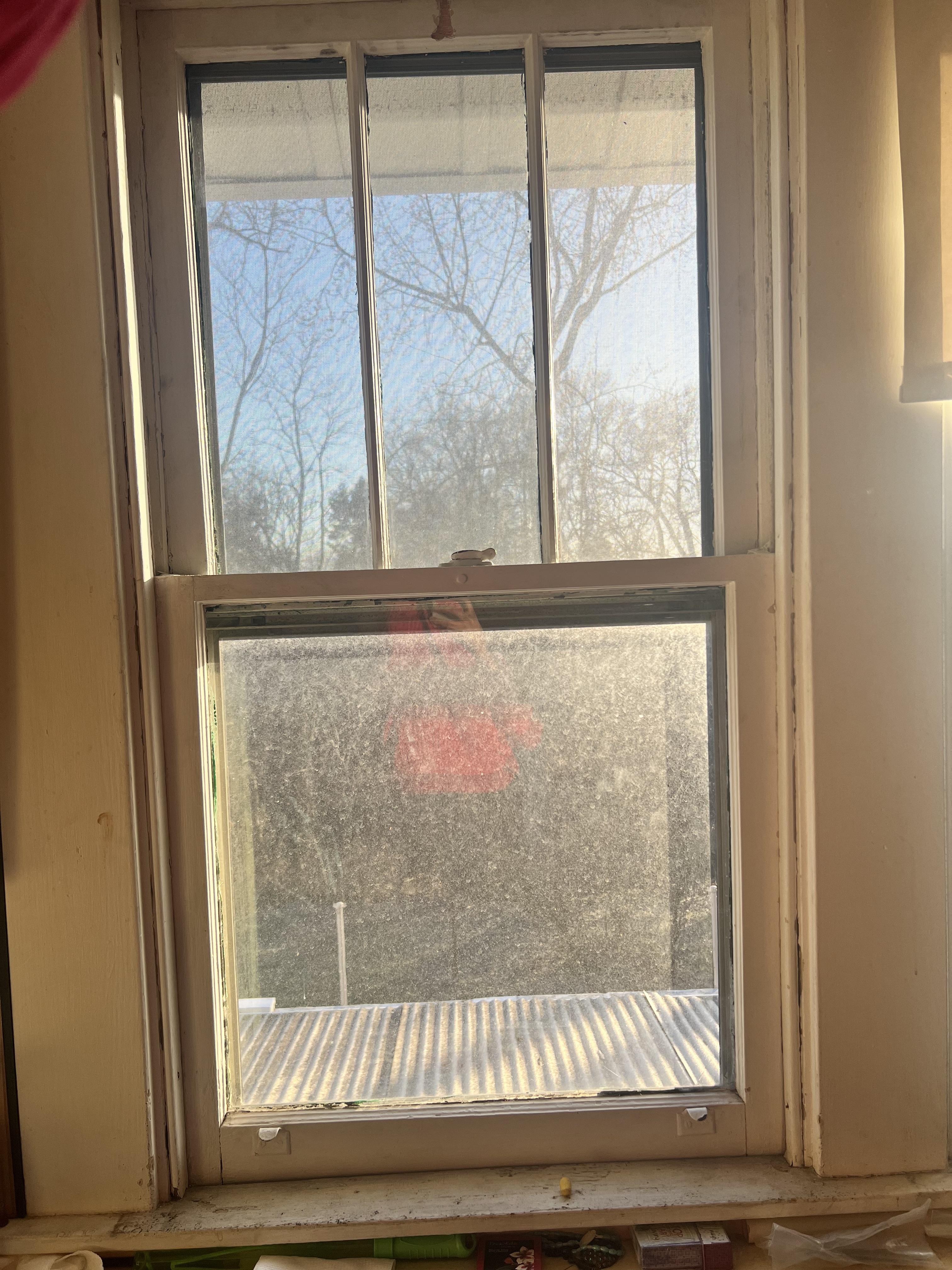
High utility bills are a major turn-off.
Buyers notice:
Old windows
Inefficient HVAC systems
Poor insulation
Energy-efficient homes feel smarter and more future-proof.
14. Too Many DIY Projects
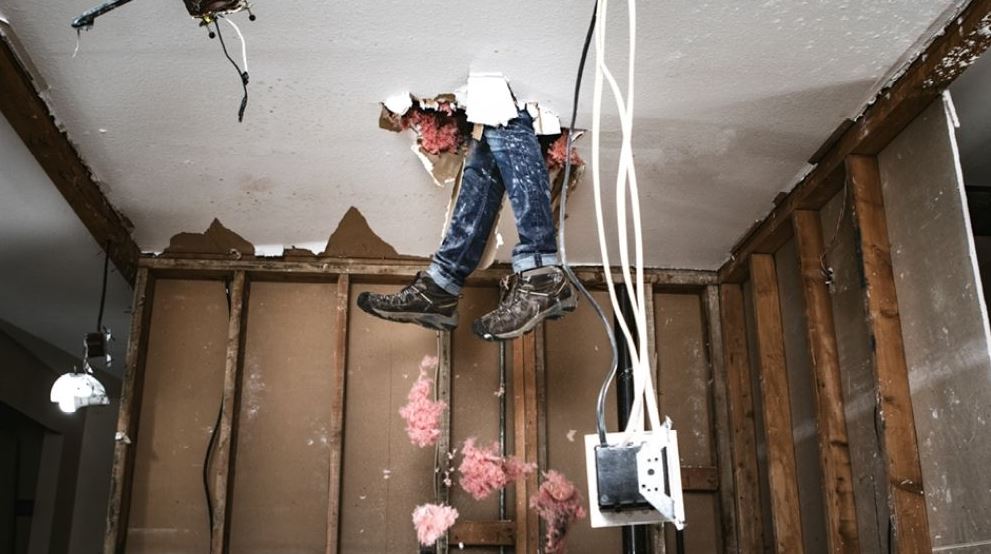
Buyers worry when they see unfinished or amateur work.
Red flags:
Uneven tile
Exposed wiring
Poor paint jobs
DIY mistakes reduce trust and raise inspection concerns.
15. Lack of Outdoor Living Space

Post-pandemic buyers value outdoor areas more than ever.
Missing features:
Patios
Balconies
Usable yards
Even small improvements can boost perceived value.
16. Old Roof or Mechanical Systems
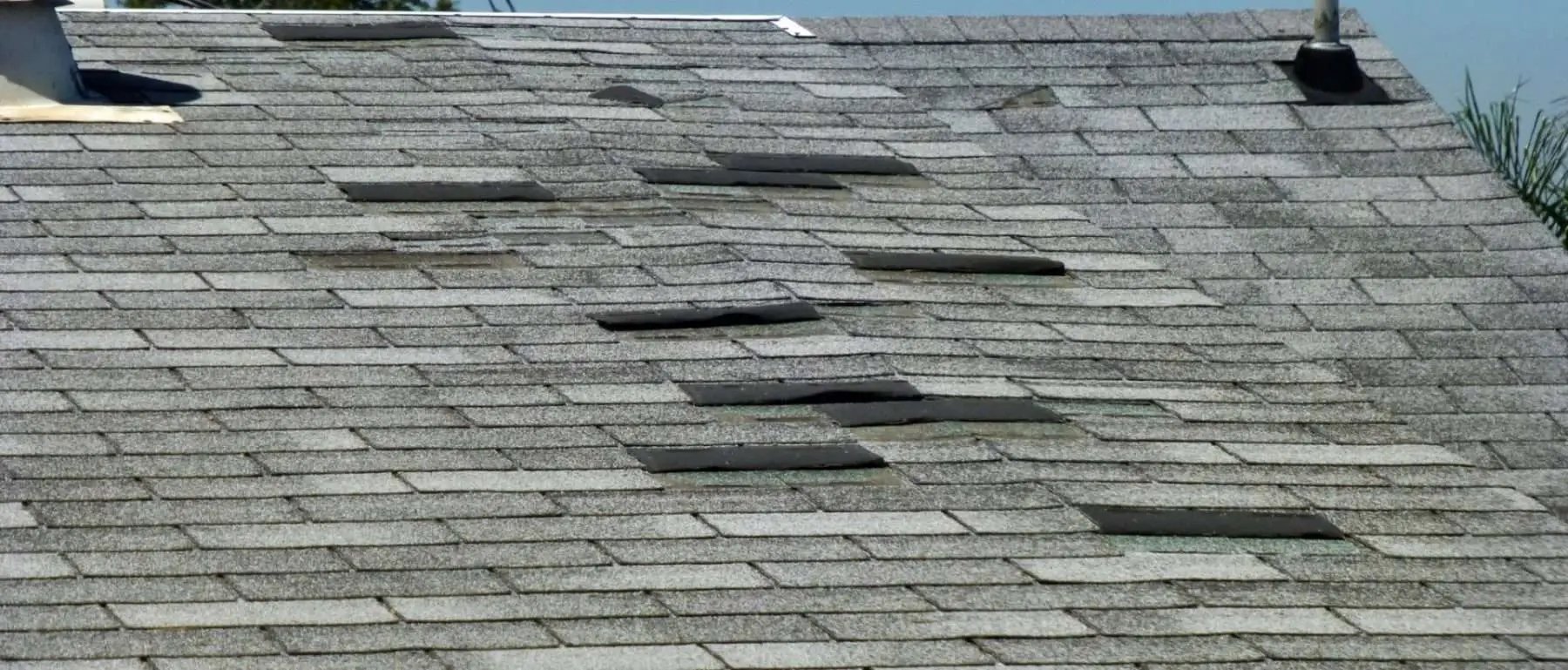
Buyers often walk away when major systems are near the end of their life.
Big concerns include:
Aging roofs
Old water heaters
Outdated electrical systems
Pre-inspection reports and upgrades can prevent deal collapses.
17. Cluttered or Poor Staging
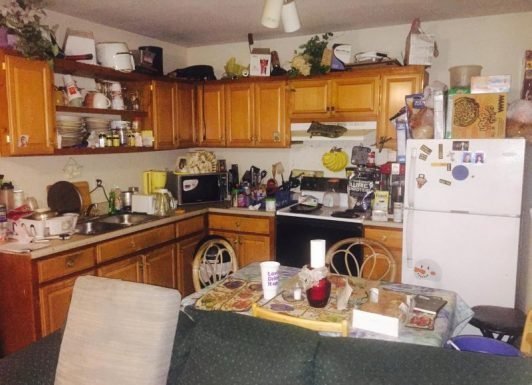
Too much furniture or personal items makes spaces feel smaller.
Staging helps by:
Highlighting room size
Improving flow
Creating emotional appeal
How to Fix Buyer Turn-Offs Without Overspending
You don’t need a full renovation to sell faster.
Focus on:
Paint
Lighting
Cleaning
Decluttering
Minor updates with big visual impact
Strategic improvements often deliver the highest return.
FAQs About Which Home Features Turn Buyers Away
1. Which home features turn buyers away the fastest?
Outdated kitchens, bad odors, poor curb appeal, and old bathrooms are the fastest deal-breakers.
2. Do buyers hate carpet?
Many buyers prefer hard flooring, especially in main living areas.
3. Are bold wall colors really a problem?
Yes. Bold colors limit buyer imagination and often lead to lower offers.
4. Is it worth renovating before selling?
Minor renovations usually are. Major ones depend on market conditions.
5. Do smart home features help or hurt?
Modern smart features help, but outdated or complicated systems can confuse buyers.
6. Can staging really change buyer perception?
Absolutely. Proper staging often leads to faster sales and higher offers.
Conclusion
Understanding which home features turn buyers away gives sellers a powerful advantage. Most buyers don’t want projects—they want homes that feel comfortable, modern, and easy to maintain.
By removing common turn-offs and focusing on simple improvements, you can dramatically increase buyer interest, shorten time on market, and protect your home’s value.
Check out this article next